Dr.Samir Tantawi : Rising Seas Threaten Major Coastal Cities Around the World
Senior Climate Change Consultant

Rising sea levels have become a major concern for many coastal cities around the world.
Climate change and the melting of polar ice caps are contributing factors to the increase in sea levels, which can have a profound impact on coastal communities.
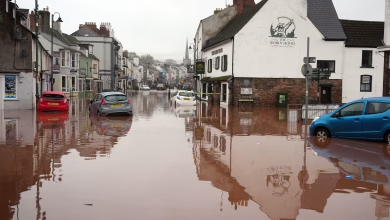
In some areas, rising seas have already led to coastal flooding, eroding shorelines, and saltwater contamination of groundwater and soil.
Low-lying coastal cities such as Alexandria, Miami, Bangkok, and Shanghai are especially vulnerable to rising sea levels, as they are located in areas that are at risk of being completely submerged.

These cities face significant economic, social, and environmental challenges as they struggle to adapt to the changing conditions.
The economic impacts of rising sea levels are significant, as they can disrupt the functioning of port cities and other important economic hubs.
Additionally, the loss of coastal land to erosion and the threat of flooding can lead to the displacement of millions of people, as well as damage to critical infrastructure such as roads, bridges, and buildings.
The rising seas are also causing damage to the natural habitats and ecosystems that support coastal cities.
Saltwater intrusion into freshwater supplies, loss of wetlands, and declines in fish and wildlife populations are just a few of the impacts that rising seas are having on coastal environments.
To address the threat of rising seas, coastal cities must take action to adapt and protect themselves.
This can involve a range of measures, including improving infrastructure, investing in sea walls and other flood protection systems, and developing early warning systems to better prepare for and respond to coastal flooding events.
Additionally, cities can take steps to reduce their carbon emissions, which are contributing to global warming and driving the rise in sea levels.
Governments around the world are beginning to take steps to mitigate the effects of rising sea levels.
Some of these measures include the construction of sea walls, the creation of wetlands and mangrove forests, and the development of early warning systems to alert residents to potential flooding.
However, these solutions can be expensive, and there are often significant economic, political, and social challenges to their implementation.
In conclusion, rising sea levels pose a major threat to coastal cities around the world, and it is important that we take action now to mitigate their impacts.
This will require significant investment and collaboration at the local, national, and international levels, but the costs of inaction are simply too great to ignore.
The future of our coastal communities depends on our ability to adapt to the changing conditions brought about by rising sea levels, and we must work together to find solutions that will ensure their survival.