
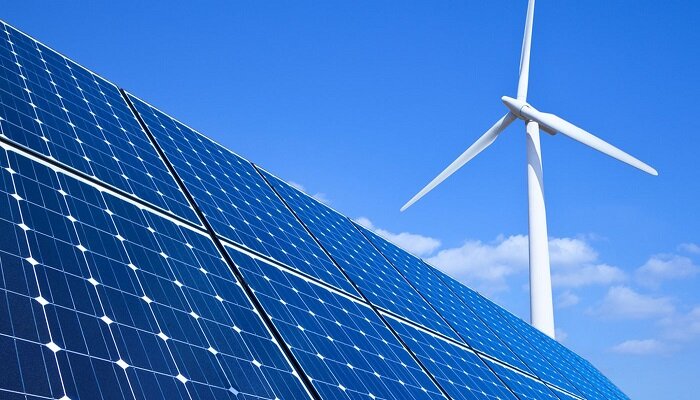
As the world faces one of its most severe energy crises driven by geopolitical tensions and supply disruptions, renewable energy is rapidly emerging as the cornerstone of energy security and economic stability.
A new report titled “From Energy Crisis to Energy Security” by the International Renewable Energy Agency (IRENA) highlights how clean energy is no longer just an environmental option, but a strategic necessity.
Middle East Crisis Shakes Global Energy Markets
Ongoing conflicts in the Middle East have significantly disrupted global oil and gas supplies, including partial closures of key shipping routes such as the Strait of Hormuz.
These disruptions have led to:
Sharp and volatile increases in energy prices
Ripple effects across food systems and supply chains
Rising inflation and economic instability
The impact is particularly severe on vulnerable economies and low-income populations.

Renewables: A Shield Against Energy Shocks
According to the report, countries that invested early in renewable energy have proven more resilient during the current crisis.
📊 Key examples:
Spain and Portugal reduced dependence on natural gas
China met around 80% of new electricity demand with renewables
The European Union avoided €58 billion in fossil fuel costs
Renewables have also reduced the role of gas in setting electricity prices in several markets.
Record Growth in Renewable Energy
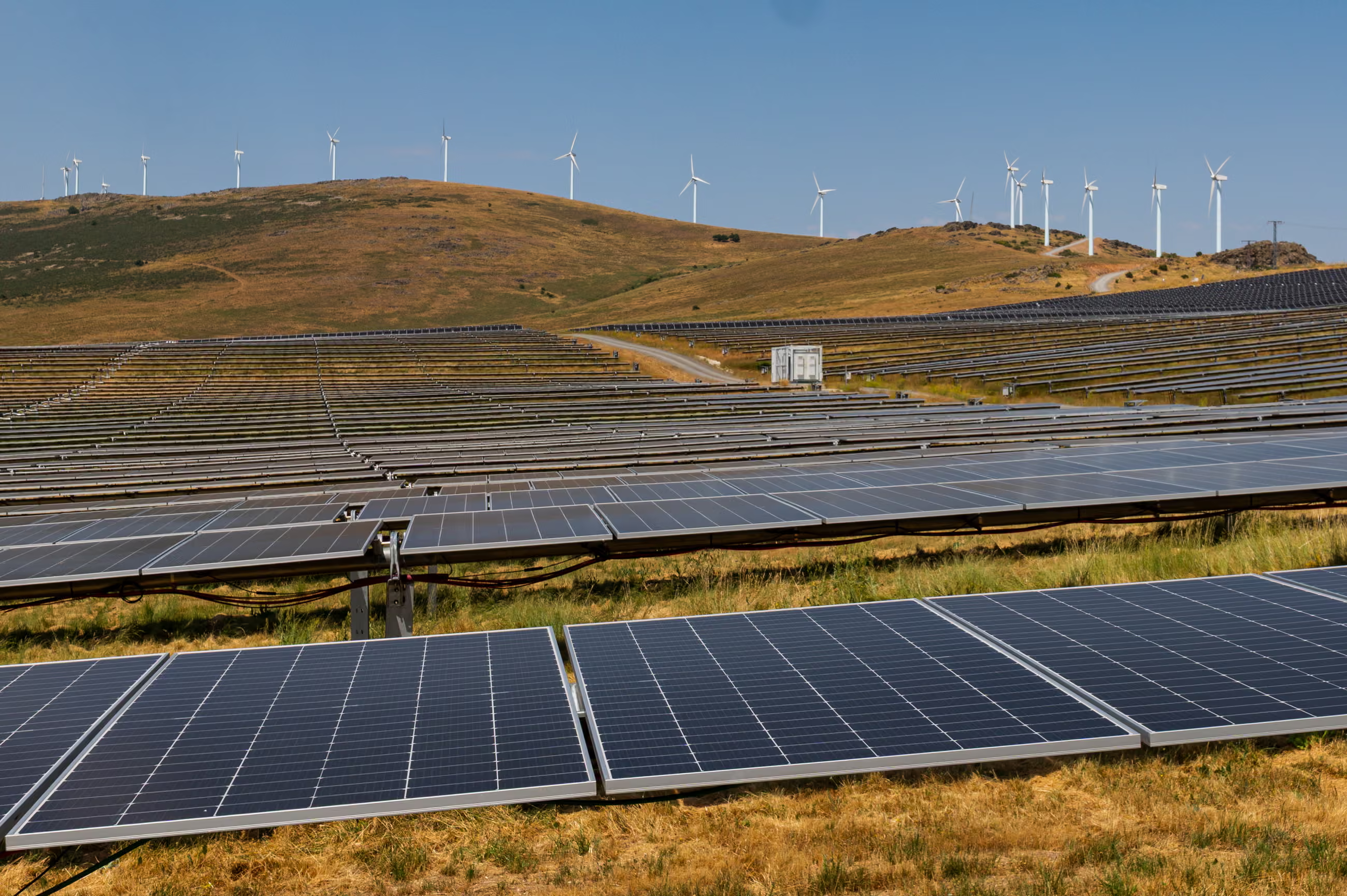
In 2025, the world added approximately 692 GW of renewable power capacity, bringing total share to nearly 49.4% of global installed capacity.
This marks a historic shift toward cleaner energy systems and accelerated global energy transition.
Cost Revolution Strengthens Competitiveness
Renewable energy technologies have seen dramatic cost declines over the past decade:
Solar PV costs down by 87%
Onshore wind down by 55%
Battery storage down by 93%
📉 As a result:
91% of new renewable projects are cheaper than fossil fuel alternatives
Solar + storage costs range between $54–82/MWh
Wind + storage costs range between $59–94/MWh
Energy Storage: The Game Changer
Energy storage is rapidly scaling worldwide:
حوالي 247 GWh added in 2025
Average battery cost dropped to around $140/kWh
The integration of renewables with storage is enabling reliable, round-the-clock electricity supply at competitive costs.

Decentralized Solutions Boost Resilience
Distributed renewable systems are proving essential, especially in remote and developing regions:
Up to 80% reduction in diesel consumption
Strong cost savings over time
Returns of $2–5 per $1 invested
Countries like Pakistan, India, and Cuba demonstrate how rooftop solar and mini-grids enhance energy security at the household level.
Electrification of Transport Enhances Stability
Countries with high electric vehicle adoption—particularly in Asia—have shown stronger resilience to fuel price shocks.
In some markets, EV sales exceeded 70%, significantly reducing reliance on imported fuels and lowering living costs.
Policy Roadmap for Decision Makers
🔺 Short-Term Actions (0–6 months)
Deploy distributed renewable solutions
Expand solar mini-grids and storage
Promote energy efficiency and demand reduction
Introduce time-of-use tariffs
Support electric mobility
🔺 Medium-Term Actions (6–12 months)
Accelerate renewable and grid infrastructure projects
Expand energy storage deployment
Improve grid flexibility and efficiency
Promote clean heating solutions
🔺 Long-Term Actions (1–3 years)
Establish clear investment-friendly policy frameworks
Develop domestic supply chains
Scale electrification across industries
Link fossil fuel subsidies to renewable targets

Conclusion
The current global energy crisis has exposed the vulnerabilities of fossil fuel dependence. Renewable energy is no longer optional—it is essential for ensuring energy security, economic resilience, and long-term sustainability.
Countries that act swiftly today will be better positioned to withstand future shocks and lead the global energy transition.


