
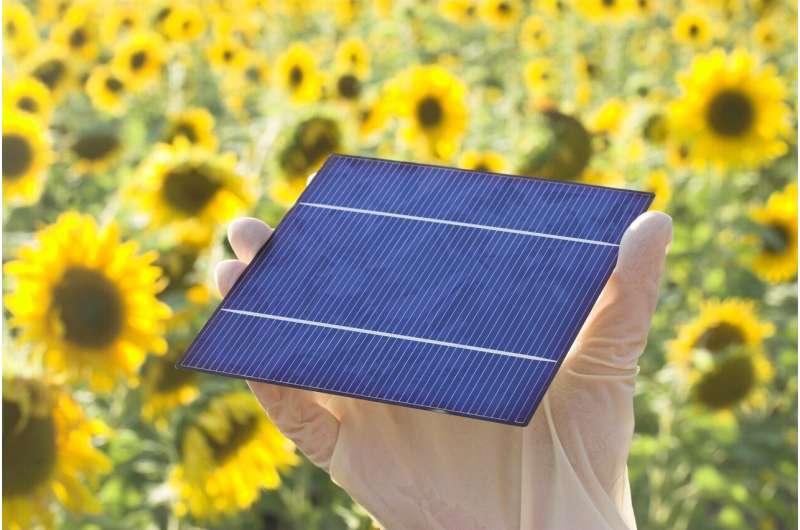
Dr. Mohamed Elmeleigi talked about how to build a solar cell unit to generate light
Building a small solar unit for light is a practical and rewarding project.
Here’s a step-by-step guide to help you build a basic solar-powered lighting system:
Materials Needed:
1. **Solar Panel**: A small solar panel (5-10 watts) to capture sunlight.
2. **Rechargeable Battery**: A 12V battery to store the energy.
3. **Charge Controller**: To regulate the voltage and current coming from the solar panel to the battery.
4. **LED Light**: A 12V LED light or LED strip for illumination.
5. **Wires and Connectors**: To connect the components.
6. **Diode**: To prevent backflow of current from the battery to the solar panel (if not built into the charge controller).
7. **Switch**: To turn the light on and off.

Tools Needed:
– Wire cutters/strippers
– Soldering iron (optional)
– Screwdriver
– Multimeter (for testing)
Steps to Build the Solar Unit:
1. **Set Up the Solar Panel**:
– Place the solar panel in an area where it will receive maximum sunlight.
– Connect the positive and negative terminals of the solar panel to the input terminals of the charge controller.
2. **Connect the Battery**:
– Connect the battery to the charge controller, ensuring the correct polarity (positive to positive, negative to negative).
– If your charge controller does not have a built-in diode, install a blocking diode between the solar panel and the battery to prevent backflow of current at night.
3. **Attach the LED Light**:
– Connect the LED light to the load terminals of the charge controller.
– Alternatively, you can connect the LED light directly to the battery, but using the load terminals of the charge controller can provide over-discharge protection for the battery.
4. **Install the Switch**:
– If not using the charge controller’s load terminals, insert a switch between the LED light and the battery to control the light manually.
5. **Test the System**:
– Use a multimeter to check the voltage output from the solar panel and the battery.
– Ensure that the charge controller is working correctly by checking the indicators (most controllers have LED indicators for battery status and charging).
– Turn on the switch to ensure the LED light works.
Diagram:
Solar Panel -> Charge Controller -> Battery -> Switch -> LED Light
Tips:
– **Safety First**: Always check the voltage and current ratings of your components to ensure compatibility and prevent any damage.
– **Efficiency**: Use LEDs for lighting as they are energy-efficient and provide good illumination.
– **Weatherproofing**: If your setup is going to be outside, ensure all components are protected from the elements.
Troubleshooting:
– **No Light**: Check all connections, ensure the solar panel is receiving sunlight, and check the charge controller and battery status.
– **Dim Light**: The battery may not be fully charged. Ensure the solar panel is correctly positioned and not obstructed.
With these steps, you should have a functional small solar-powered lighting system. Enjoy your eco-friendly lighting solution!


